Your cart is empty
OSRS Beginner Guide 2026: What To Do First as a New Player Step by Step

So you just made your account. You spawned in Lumbridge. You have no idea what you are doing. Sound familiar?
Do not worry. Every single player in Old School RuneScape started exactly where you are right now. Confused, curious, and probably clicking on everything just to see what happens. This guide is going to walk you through exactly what to do first, step by step, so you do not waste your early hours going in the wrong direction.
OSRS is not like modern games. It does not hold your hand. There is no quest marker pointing you to the next objective. And honestly? That is a big part of why people love it. But it also means new players can get completely lost without a little guidance.
Let us fix that.
What Kind of Game Is OSRS?
Quick answer. OSRS is a MASSIVELY MULTIPLAYER ONLINE ROLE-PLAYING GAME, or MMORPG. It is the 2007 version of RuneScape, brought back by popular demand and now updated regularly while keeping its old school feel.
The game is built around three main pillars:
- Skilling (training your 23 different skills)
- Questing (completing story-driven quests for rewards)
- Combat (fighting monsters, bosses, and other players)
You do not have to focus on all three at once. But understanding all three will help you make better decisions early on.
Step 1: Complete Tutorial Island Properly
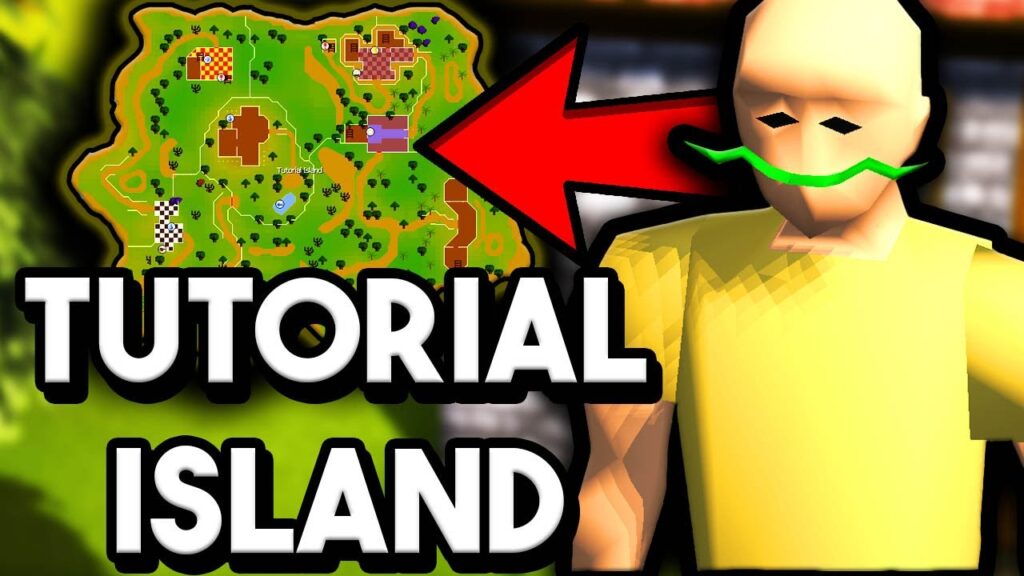
This seems obvious but many new players rush through TUTORIAL ISLAND without paying attention. Do not do that.
Tutorial Island teaches you the absolute basics of the game. You will learn how to:
- Fish and cook food
- Mine and smelt ore
- Cut trees and make fires
- Fight with melee combat
- Cast basic spells
- Talk to NPCs and navigate menus
Each of these activities corresponds to a real skill in the game. The tutorial gives you your first few levels in several of them. More importantly, it gives you a feel for how the game controls and operates.
Take your time here. Read the dialogue. Understand what each skill does before you move on. It takes maybe 20 to 30 minutes and it is absolutely worth it.
Once you leave Tutorial Island, you cannot go back. So make sure you have absorbed what it teaches.
Step 2: Understand the Skills System
When you arrive in Lumbridge after Tutorial Island, open your SKILLS TAB. You will see 23 skills, each starting at level 1. Some will already be slightly higher from the tutorial.
Here is a basic overview of the skill categories:
| Category | Skills Included |
|---|---|
| Combat | Attack, Strength, Defence, Hitpoints, Ranged, Prayer, Magic |
| Gathering | Woodcutting, Mining, Fishing, Hunter, Farming |
| Artisan | Cooking, Smithing, Crafting, Fletching, Herblore, Construction |
| Support | Firemaking, Runecrafting, Agility, Thieving, Slayer, Dungeoneering |
You do not need to train all of these immediately. But knowing they exist helps you plan your early game progression.
As a beginner, focus on these skills first:
- Attack, Strength, Defence for combat survivability
- Hitpoints which levels automatically through combat
- Woodcutting and Firemaking for early moneymaking and firestarting
- Fishing and Cooking for cheap and easy food supply
These six skills will carry you comfortably through the first several hours of the game.
Step 3: Do the Early Quests First
Here is something most guides do not say clearly enough. QUESTS ARE NOT OPTIONAL IN OSRS.
Quests unlock content. They give massive experience rewards. They provide access to better gear, better areas, and better training methods. Skipping quests early on is one of the biggest mistakes new players make.
Which quests should you do first? Here is a recommended starter list:
Priority Quests for New Players:
- Cook’s Assistant – Easy quest, good introduction to cooking skill
- Sheep Shearer – Very quick, small crafting experience reward
- Romeo and Juliet – Extremely easy, fast quest points
- Restless Ghost – Unlocks the ability to pray at the Lumbridge church
- Imp Catcher – Gives Magic experience, good early reward
- Witch’s Potion – Unlocks Ranged combat option early
- Ernest the Chicken – Located near Draynor, easy completion
- Vampire Slayer – Combat quest with great Attack experience reward
Why do these first? Because they are all located near LUMBRIDGE and DRAYNOR VILLAGE, the two starting areas. You can complete most of them without leaving the beginner zone. And the combined experience rewards will push several of your skills ahead significantly without any grinding.
Quest points also matter. At certain quest point milestones, you unlock rewards from the QUEST CAPE or access to specific areas and shops.
Step 4: Learn How to Make Your First Gold
Money in OSRS is called GOLD PIECES, or GP. Everything costs gold. Training costs gold. Gear costs gold. Getting around can cost gold.
So how does a new player make money? Here are the most realistic methods for someone just starting out in 2026:
Early Moneymaking Methods:
- Killing Chickens in Lumbridge – Collect RAW CHICKEN, BONES, and FEATHERS. Feathers sell well to other players for Fishing and Fletching. Bank your bones for Prayer training later.
- Cutting and Selling Logs – Woodcutting is free to start. OAK LOGS sell reasonably well at the Grand Exchange once you hit level 15 Woodcutting.
- Mining Copper and Tin – Smelt them into BRONZE BARS at a furnace. Early smithing training that also produces sellable items.
- Fishing Shrimp and Anchovies – Fish at the Lumbridge Swamp. Cook them for Cooking experience. Sell extras or keep them as food.
- Thieving from Stalls in Ardougne – Requires getting to ARDOUGNE first, but once there, stall thieving is excellent early passive income.
None of these will make you rich overnight. But they will give you enough gold to buy your first proper gear and start progressing faster.
The GRAND EXCHANGE in VARROCK is where most trading happens. You place buy or sell orders and the game automatically matches them with other players. Learn to use it early. It is your best friend.
Step 5: Gear Up Properly for Your Level
A lot of new players wear the starter gear for way too long. Or they buy gear that is far above their current level requirements and cannot use it yet.
Here is a simple combat gear progression to follow:
Melee Gear Progression:
| Level Range | Recommended Gear |
|---|---|
| 1 to 10 | Bronze or Iron equipment |
| 10 to 20 | Steel equipment |
| 20 to 30 | Mithril equipment |
| 30 to 40 | Adamant equipment |
| 40 to 60 | RUNE equipment (major upgrade) |
| 60 plus | Dragon equipment and beyond |
RUNE equipment at level 40 Defence is a massive milestone for new players. It is affordable, widely available, and will last you through a large portion of mid game content.
For weapons, always prioritise Attack level requirements first. A higher tier weapon increases your damage output significantly more than defensive upgrades at early levels.
Also, do not forget your HELMET, BOOTS, GLOVES, and SHIELD. Many beginners focus only on body armour and weapon and forget the smaller slots. Each piece adds to your overall defence bonus.
Step 6: Train Combat the Smart Way
Combat training is something new players often do inefficiently. They find one monster and stay there forever. Or they switch monsters too often and never build momentum.
Here is a simple and effective early combat training path:
Level 1 to 10: Kill CHICKENS in Lumbridge. They have very low health, drop feathers and raw chicken, and cannot really hurt you. Perfect for the absolute beginning.
Level 10 to 20: Move to COWS in Lumbridge. Cowhide drops can be turned into leather for Crafting or sold at the Grand Exchange. Good experience and decent passive income.
Level 20 to 40: MONKS at the Monastery north of Falador. They heal themselves which makes them great for training without needing much food. They also do not drop much so banking is rarely needed.
Level 40 plus: HILL GIANTS in EDGEVILLE DUNGEON or MOSS GIANTS in VARROCK SEWERS. These give better experience rates and drop BIG BONES, which sell for good money or can be used for your own Prayer training.
One important thing. Train ATTACK first until you hit your target level, then train STRENGTH, then DEFENCE. This order maximises your combat efficiency. Higher Attack means more accurate hits. Higher Strength means bigger hits. Higher Defence means you take less damage.
Step 7: Understand the Prayer Skill
Many beginners completely ignore PRAYER until it becomes a problem. Do not make that mistake.
Prayer is unlocked by burying bones. Different bones give different Prayer experience:
- Regular Bones – 4.5 experience each
- Big Bones – 15 experience each
- Dragon Bones – 72 experience each (very expensive but very fast)
Why does Prayer matter early on? Because even low level Prayer unlocks give you useful combat bonuses. Here are the important early milestones:
| Prayer Level | Unlock |
|---|---|
| 4 | Thick Skin (Defence bonus) |
| 7 | Burst of Strength (Strength bonus) |
| 13 | Improved Reflexes (Attack bonus) |
| 25 | Protect from Magic |
| 31 | Protect from Missiles |
| 43 | Protect from Melee (game changing unlock) |
PROTECT FROM MELEE at level 43 is one of the most important Prayer unlocks in the entire game. It blocks most melee damage from monsters. Getting to level 43 Prayer early dramatically changes what content you can access and survive.
Bury every single bone you pick up from monsters. Do not drop them. Do not sell them early. The Prayer experience adds up faster than you expect.
Step 8: Start Doing Slayer as Soon as Possible
SLAYER is one of the most popular and rewarding skills in OSRS. And many new players wait far too long to start it.
Here is how Slayer works. You visit a SLAYER MASTER, they assign you a task to kill a specific number of a specific monster, you complete it, and you earn Slayer experience plus a small amount of gold and points. Slayer points can be spent on unlocks that improve your character significantly.
Why start Slayer early?
- It guides your combat training so you are not randomly choosing monsters
- Many Slayer monsters drop unique and valuable items
- Slayer experience and combat experience are earned simultaneously
- Higher Slayer level unlocks access to some of the best monsters in the game
For beginners, visit TURAEL in BURTHORPE. He is the most beginner-friendly Slayer Master and gives easy tasks appropriate for low level players. As your combat stats improve, upgrade to MAZCHNA and then VANNAKA.
Do not skip Slayer. Seriously. Players who start it early are almost always ahead of those who leave it until mid game.
Step 9: Learn the Map and How to Travel
OSRS has a large world. And getting around efficiently takes time to learn.
Here are the main travel methods you should know about:
Walking and Running: Basic movement. Your RUN ENERGY depletes as you run but restores over time. Agility training increases your run energy restoration rate.
Teleportation Spells: The MAGIC skill lets you teleport to major cities. LUMBRIDGE TELEPORT, FALADOR TELEPORT, VARROCK TELEPORT, and CAMELOT TELEPORT are the most used early game teleports. You need RUNES to cast them.
Fairy Rings: Unlocked through a specific quest line, these rings let you teleport to dozens of locations around the world. One of the most useful travel networks in the game.
Minigame Teleports: The MINIGAME tab in your game interface gives free teleports to several locations, including the BARBARIAN ASSAULT minigame and the PEST CONTROL minigame. Both useful for experienced players.
Charter Ships and Gnome Gliders: Physical transport options that connect different parts of the world. Not the fastest but sometimes useful when you lack teleport runes.
Learn the location of these important early destinations:
- GRAND EXCHANGE in Varrock (northwest of city centre)
- LUMBRIDGE CASTLE for banking and cooking range
- DRAYNOR VILLAGE for easy thieving and fishing
- FALADOR for the Mining Guild and White Knights’ Castle
- BARBARIAN VILLAGE for Fishing and Smithing
Step 10: Join a Clan or Community
This is advice that does not get mentioned enough in beginner guides.
OSRS has an incredibly active community. There are thousands of active CLANS you can join directly in the game through the CLAN TAB. There are also massive communities on Reddit, Discord, and various fansites.
Why does this matter for a beginner?
Because experienced players are genuinely helpful. Most veterans remember being confused early on and are happy to answer questions. Being in a clan gives you access to:
- Free advice and answers to questions
- Help with quests that require multiple players
- Group boss fights once you are ready
- Moral support when the game feels overwhelming
The OSRS SUBREDDIT is a great starting point. The official OSRS DISCORD is equally active. Do not be afraid to ask basic questions. Everyone started somewhere.
Common Beginner Mistakes to Avoid
Let us be blunt about the things that slow new players down the most.
Selling everything immediately. Some items seem worthless early on but become very useful later. CLUE SCROLLS for example should be completed, not dropped. QUEST ITEMS should not be sold until you are absolutely sure you do not need them.
Ignoring quest requirements. Many of the best training methods and areas are locked behind quest completions. If you hit a wall in progression, check whether a quest unlocks what you need.
Training only combat. Skilling is equally important in OSRS. WOODCUTTING, FISHING, and COOKING give you food for free. MINING and SMITHING give you gear without spending gold. Balanced skill training makes the game significantly cheaper.
Not using the WIKI. The OSRS WIKI is the single most useful resource in the game. Any monster, item, quest, or mechanic you are unsure about is documented there in full detail. Get in the habit of checking it regularly.
Dying with valuable items. When you die in OSRS you drop your items. You keep only the three most valuable items by default. Do not bring gear you cannot afford to lose into dangerous areas until you understand the death mechanics fully.
A Simple First Week Plan
If you want a structured approach to your first week, here is a reasonable daily target:
| Day | Focus |
|---|---|
| Day 1 | Tutorial Island, first 5 quests, level 20 in combat stats |
| Day 2 | Continue questing, reach Grand Exchange, set up first trades |
| Day 3 | Train combat to level 40 Attack and Strength, bury all bones |
| Day 4 | Start Slayer with Turael, complete 10 tasks |
| Day 5 | Focus on Woodcutting and Fishing for passive income |
| Day 6 | Complete 5 more quests, aim for 30 plus quest points |
| Day 7 | Review all skills, identify weakest areas, plan next week |
This is not a rigid schedule. It is just a framework to give you direction when the game feels overwhelming.
Final Thoughts
OSRS in 2026 is as deep and rewarding as it has ever been. The content keeps expanding, the community keeps growing, and the game keeps pulling people back even after years away. There is a reason it has survived this long.
But none of that matters if you quit in the first week because you did not know what to do.
Follow the steps in this guide. Do your quests. Train your skills consistently. Ask for help when you need it. And most importantly, enjoy the process. OSRS is not a game you rush. It is a game you live in, slowly and thoroughly.
The journey is the whole point. Welcome to Gielinor.
